

Why 2026 is the Year At-Home Cervical Traction Finally Replaces the Clinic Waiting Room

Why 2026 is the Year At-Home Cervical Traction Finally Replaces the Clinic Waiting Room
Stop waiting for clinic appointments. Discover top-rated cervical spine relief devices for 2026 to manage tech neck and pain from the comfort of home.
If you've ever left a clinic appointment feeling better for a day or two — only to be back at your desk, neck stiff, waiting weeks for the next opening — you already know the problem. The good news: 2026 is the year that cycle finally breaks. A quality manual cervical traction device now delivers the same decompression technique your physical therapist uses, right in your own home, on your own schedule.
Desk workers dealing with tech neck, people managing chronic cervical pain, and athletes pushing through post-workout stiffness are all turning to at-home traction and massage tools as their first line of relief — not a last resort. Clinic-grade recovery no longer requires a clinic. Viral Boostor hand-picks the devices that make that possible, so you get professional-level results without the appointment, the commute, or the co-pay.
This guide breaks down exactly why at-home cervical traction has reached a turning point in 2026, which devices are worth your attention, and how to use them safely for real, lasting relief.
The Shift Toward Clinic-Grade Recovery at Home in 2026
In 2026, the landscape of at-home therapy for neck and shoulder pain has evolved dramatically. The gap between the short relief gained at a clinic and the long hours spent hunched over a laptop is finally closing. Desk workers familiar with "tech neck" understand the cycle: forward head posture builds tension, stiffness settles in, and appointments are often weeks away. But now, with advanced at-home massage devices and traction collars, relief is more accessible than ever.
The Best At-Home Massage Devices for 2026
In 2026, at-home massage devices have become an integral part of managing chronic neck and shoulder pain. Percussion massagers and heat-based massagers are leading the charge, providing targeted relief for muscle tension and trigger points. These devices are perfect for addressing the everyday stiffness that comes from desk work and tech neck, offering convenience and effectiveness without the need for a clinic visit.
-
Percussion Massagers: These devices use rapid strokes to penetrate deep into muscle tissue, alleviating tension and promoting relaxation. Ideal for those experiencing muscle tightness and knots, they offer a quick solution to daily discomfort.
-
Heat-Based Massagers: By combining heat therapy with massage, these devices enhance blood flow and soothe sore muscles. They're particularly beneficial for stiffness and can be used regularly to maintain muscle health.
Understanding the Science of Cervical Spine Relief
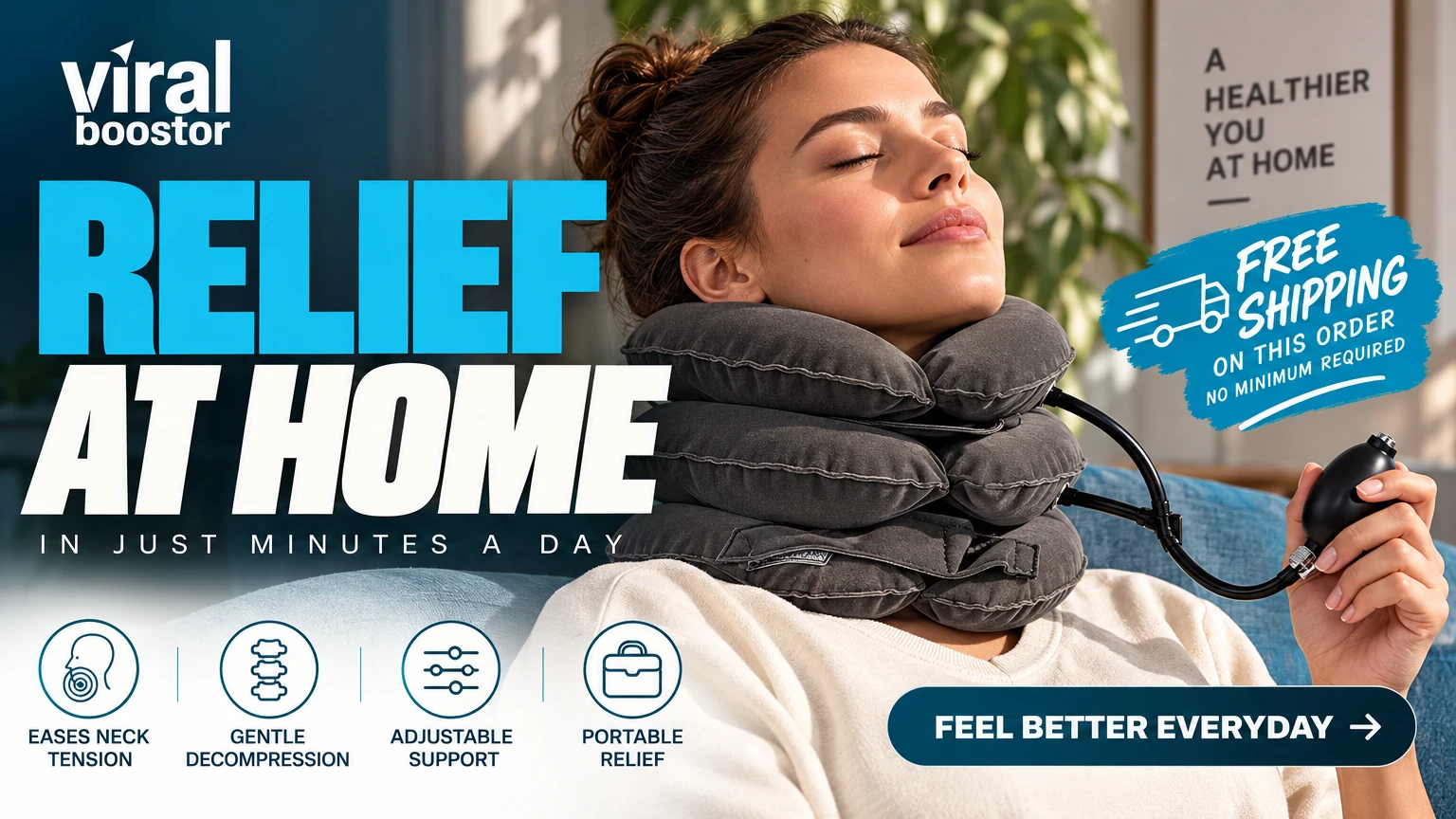
Cervical traction, a technique widely used by clinicians, is now accessible at home with devices designed to relieve pressure on the cervical spine. By gently pulling along the neck's axis, these devices increase space between vertebrae, reducing nerve compression and alleviating symptoms like radiculopathy.
-
Cervical Spondylosis: This condition, characterized by degeneration of the cervical spine, benefits from traction, with 81% of patients experiencing relief through home protocols.
-
Cervical Radiculopathy: Nerve root compression is eased by traction, which can reduce pain, numbness, and weakness extending into the shoulder and arm.
Consistency in using these devices is key, focusing on repetition rather than force to achieve long-term benefits.
When to Use Massage Devices vs. Traction Devices
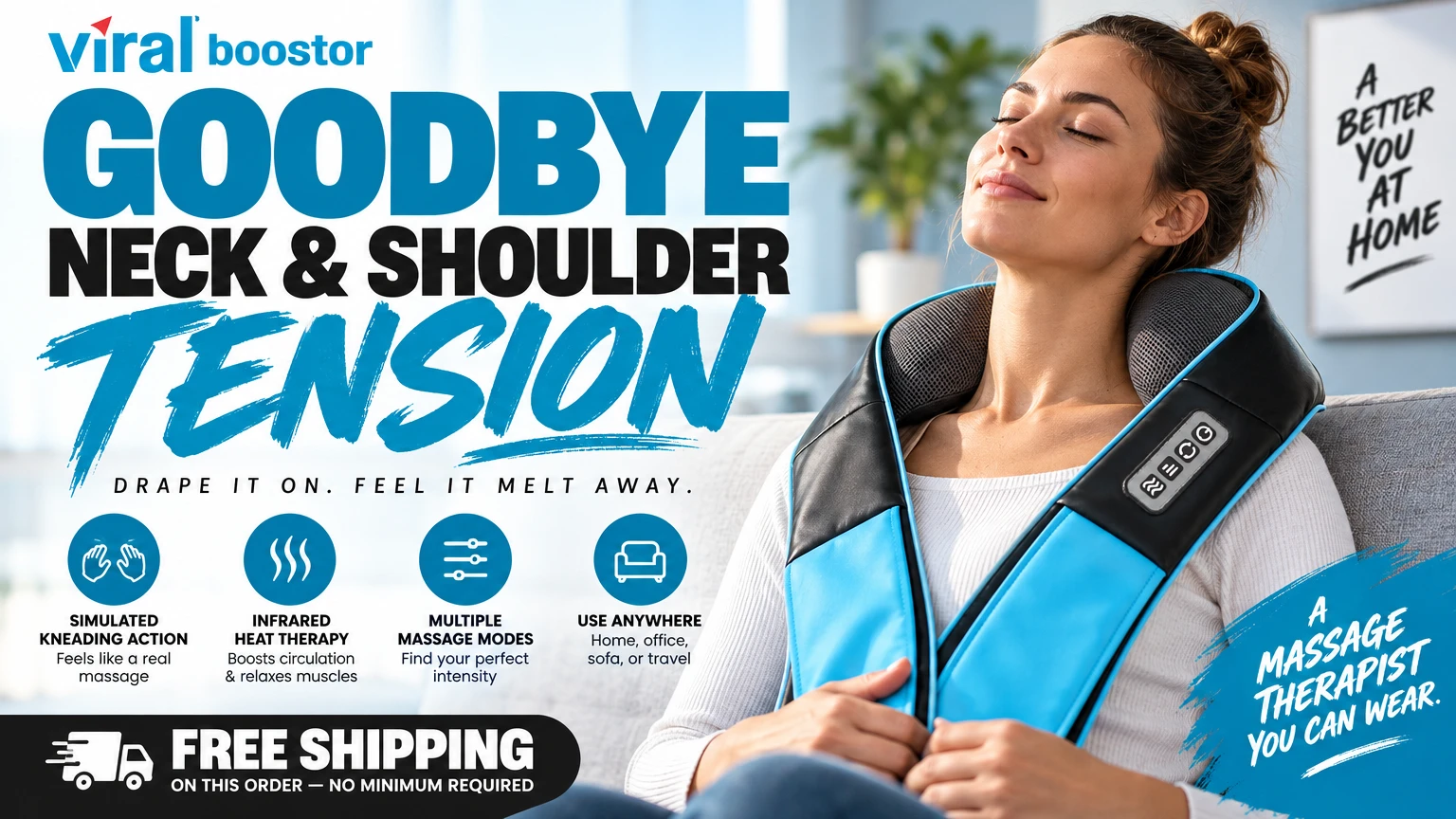
Choosing between a massage device and a traction device depends on the specific symptoms and underlying causes of your pain.
-
Massage Devices: Best for muscle tension and trigger points. Use these devices when dealing with tightness from prolonged sitting or tech neck.
-
Manual Cervical Traction Devices: Ideal for disc compression and nerve issues. These are suited for conditions like cervical radiculopathy, where relieving nerve pressure is crucial.
Both types of devices offer at-home pain relief in 2026, bridging the gap between clinic visits and daily comfort.
Evidence-Based Protocols for Maximum Safety
Traction should be approached as a structured regimen:
-
Calculate Your Ceiling: Use 10–15% of your body weight as the maximum traction force.
-
Start Low and Build Up: Begin with lighter sessions to build tolerance.
-
Commit to a Three-Week Protocol: This duration allows for meaningful assessment of effectiveness.
-
Log Each Session: Keep track of force, duration, and symptom changes to identify patterns.
Safety features like quick-release mechanisms are essential, ensuring that sessions can be ended swiftly if necessary.
Key Takeaways: What You Need to Know
-
Consistent Use Yields Results: Regular, low-load sessions are more effective than infrequent, intense use.
-
Personalized Device Choice: Select devices based on specific symptoms and needs, not just ratings.
-
Safety First: Always prioritize devices with safety features and seek medical advice if warning signs occur during use.
By integrating these advanced tools into your routine, at-home pain relief in 2026 becomes a reality, offering a structured and effective approach to managing neck and shoulder pain.
Taking the Next Step Toward a Pain-Free 2026
The frustration of waiting for clinic appointments can now be mitigated with at-home solutions. Viral Boostor offers a range of traction collars and massage devices, each carefully selected to meet clinical standards and provide reliable relief at home. For those managing cervical pain, these devices offer a drug-free alternative that targets the root cause of discomfort.
Explore Viral Boostor's 2026 collection of cervical spine relief devices, choose the one that fits your needs, and commit to a regimen that promises to transform your approach to pain management.